

Blog
Binder vs. Toploader vs. Storage Box: What’s the Best Way to Store Trading Cards?

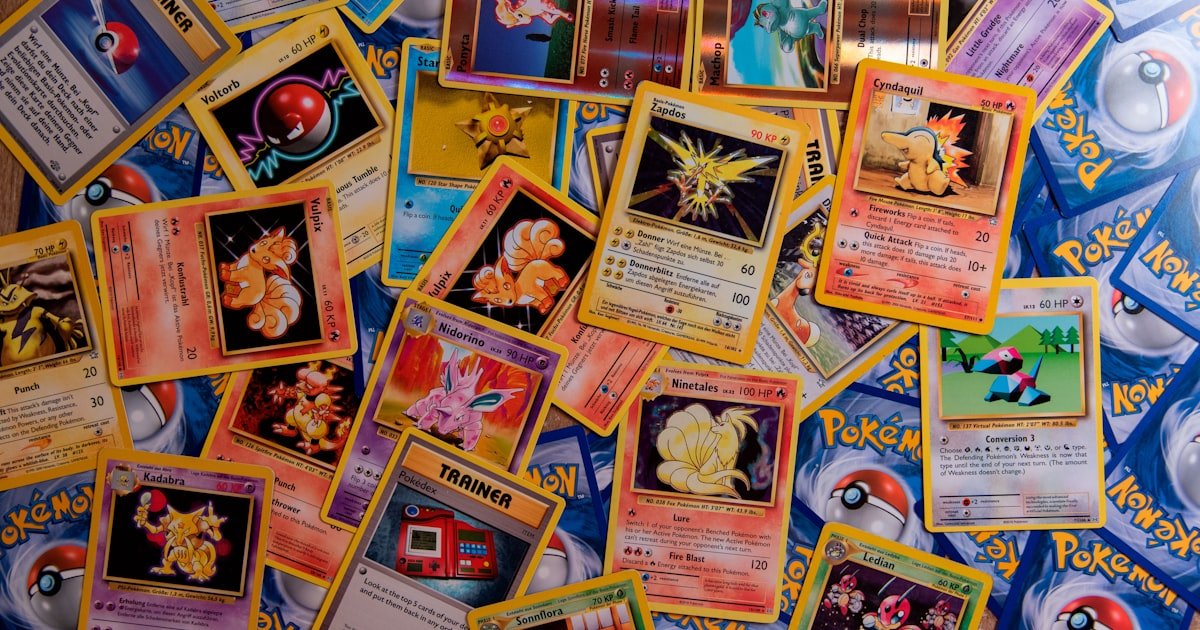
In 2025, collectors graded a record 26.6 million trading cards — up 32% in a single year (GemRate year-end data, reported by cllct). Why does that matter for storage? Because grading is a bet on condition, and condition is decided long before a card reaches a grader: in the sleeve, binder, or box where it lived. When condition decides whether a card is worth $5 or $500, how you store it isn’t a detail — it’s the whole game. This guide compares the three storage formats every collector ends up choosing between: binders, toploaders, and storage boxes — protection, browsing, capacity, and cost — then gives you a simple decision rule for each type of card you own.
TL;DR: Toploaders win for protecting individual high-value cards. Binders win for the collection you actually browse, trade, and show off. Storage boxes win for bulk commons. Most collectors shouldn’t pick one — use a box for bulk, a binder for your active collection, and toploaders for your hits.
Quick Comparison
| Binder | Toploader | Storage Box | |
|---|---|---|---|
| Best for | Sets, trade stock, display | High-value singles | Bulk commons |
| Protection | Good (with sleeves) | Best (rigid, sealed) | Basic |
| Browsing | Best — flip and view | Poor — one card at a time | Poor — dig and pull |
| Capacity | ~360 cards (9-pocket, 20 pages) | 1 card each | 800–5,000 cards |
| Cost per card | Moderate | Highest | Lowest |
| Portability | Best (zip models) | Good | Poor |
| Verdict | Everyday collection | Your hits | Everything else |
Which Protects Your Cards Best?
Toploaders win on pure protection. A penny sleeve inside a rigid toploader shields a card from bending, corner dings, and surface scratches — the exact damage that costs grades. And grades cost money: in the first half of 2025, only 43% of cards submitted to PSA earned a gem-mint 10 (cllct, PSA gem rate report, 2025). Many of those misses trace back to condition flaws.

Binders come close when you use them properly: penny-sleeved cards in side-loading pockets, stored upright, never overstuffed. Storage boxes protect against dust and light but do nothing against pressure — one warped stack or tight row can dent corners across dozens of cards.
Our take: Handling and storage are silent grade-killers. In H1 2025, sports cards gemmed at just 34% versus 50% for TCG cards (GemRate data via cllct, 2025) — and older sports cards spent decades in shoeboxes and rubber bands. Today’s storage decisions are tomorrow’s gem rates.
Verdict: toploader first for anything valuable. A well-kept binder is a close second. A box alone is not protection.
Which Is Best for Organizing and Browsing?
Binders win on organization, and it’s not close. A 9-pocket binder shows you 18 cards per spread, keeps sets in order, and turns your collection into something you can actually enjoy — or hand to a trade partner. Why collect at all if your best cards live in a dark box?
This matters more than ever, because trading is booming. In 2025, trading card singles sales topped $2.62 billion on eBay alone (GemRate eBay sales report, via cllct, 2026). A sorted trade binder is how deals happen, online and at your local game store.
Toploaders are the opposite: great armor, terrible browsing. Flipping through 200 toploaded cards is a chore. Boxes sit in between — fine for lookups if you’ve sorted them, hopeless for casual browsing.
If you go the binder route, get one with side-loading pockets and a zipper: side-loading stops cards sliding out, and the zip seals out dust and drops. That’s the design we build our own 9-pocket zip binders around. For the sorting system to put inside it, see our guide on how to organize your trading card collection.
Verdict: binders, decisively. Nothing else makes a collection browsable.
Which Is Best for Bulk Storage?
For sheer volume per dollar, nothing touches a storage box. A standard cardboard row box holds 800 to 5,000 cards for less than the price of a single binder. For commons and bulk pulls, that math is unbeatable.
The catch? Boxes are where cards go to be forgotten. No visibility, no order unless you maintain it, and stacking pressure if you overpack rows. Use boxes as an archive, not a home for anything you’d mind losing to a dinged corner.
One habit pays off here: sleeve your better bulk before boxing it. Future-you, pulling cards for a trade, will be grateful.
Verdict: boxes for bulk, always — but only after your hits and browsable cards have moved up to better housing.
Cost Comparison: What Each Format Really Costs
For bulk, boxes cost the least per card by a wide margin; for single-card protection, toploaders cost the most. Typical prices: penny sleeves run about $0.01–0.02 apiece, toploaders $0.10–0.25 each, a quality 9-pocket zip binder $15–30, and an 800-count cardboard box $2–4. A row box works out to a fraction of a cent per slot; a sleeve-plus-toploader combo costs the most per card — which is exactly why it’s reserved for cards that earn it.
There’s a hidden cost, too: grading. With 26.6 million cards graded in 2025, up 32% from the year before (cllct, GemRate year-end data, 2025), collectors are spending real money certifying condition. A $15–$25 grading fee is wasted on a card that picked up a surface scratch in a shoebox. Cheap storage on valuable cards is the most expensive mistake in the hobby.
Verdict: match spend to card value — boxes for bulk, binders for the middle, toploaders for the top.
How Do Climate and Handling Affect All Three?
No storage format survives a bad environment. Trading cards are paper, and the Library of Congress preservation guidelines recommend keeping paper at 35–50% relative humidity and below 70°F (Library of Congress, Preservation FAQ). Humidity warps and curls cards; heat accelerates fading; big swings in either are worse than a steady imperfect number.

In practice: keep your collection in living spaces, not attics, basements, or garages. Store binders and boxes upright and out of direct sunlight. Wash your hands before handling raw cards, and hold them by the edges. None of this costs a cent, and it protects every format equally.
Our take: Binders, toploaders, and boxes aren’t really competitors — they’re stages in a card’s life. Cards enter your collection in a box, get promoted to a binder when they matter, and graduate to a toploader (or a grading slab) when they’re worth real money.
Who Should Choose What?
New collectors: start with one zip binder and a storage box. Binder for pulls you love, box for everything else. Add toploaders as your first valuable cards show up.
Set builders: binders, organized by set and number. The whole point is watching the set fill in.
Traders and sellers: a dedicated trade binder plus toploaders for shipping sold singles. With billions in singles moving on eBay in 2025, protected shipping is part of your reputation.
Investors: sleeve + toploader on everything, and consider grading the best. In 2025, TCG and non-sports cards overtook sports as the most-graded category — 16.8 million versus 10 million (cllct, GemRate year-end data, 2025).
Frequently Asked Questions
Are binders safe for expensive cards?
Safe enough for mid-value cards, if the binder has side-loading pockets, a zipper, and every card is penny-sleeved. For genuinely expensive cards, move up to a sleeve plus toploader — remember that only 43% of PSA submissions gemmed in H1 2025 (cllct), and condition flaws are why.
Do I still need penny sleeves inside a toploader or binder?
Yes, always. The sleeve protects the card’s surface from the storage device itself — cards can pick up scratches sliding in and out of a bare toploader or pocket. With collectors grading 26.6 million cards in 2025 (cllct, GemRate data), surface condition has never mattered more.
Can graded slabs go in a binder?
No — slabs are too thick for standard binder pockets. Use slab-specific storage boxes or display stands sized and padded for graded cases. With PSA alone encapsulating 19.26 million cards in 2025 (cllct, GemRate data), dedicated slab storage is its own category worth doing right.
How many cards fit in a 9-pocket binder?
A typical 20-page, 9-pocket binder holds 360 cards using both sides of each page. That’s the sweet spot for a trade binder or a working set — big enough to matter, small enough to actually maintain. Double-loading sleeved cards is fine for bulk pages, but give valuable cards their own pocket.
The Verdict
| Category | Winner |
|---|---|
| Protection | Toploader |
| Organization & browsing | Binder |
| Bulk capacity | Storage box |
| Cost per card | Storage box |
| Portability | Binder (zip) |
| Overall | All three — matched to card value |
The real answer isn’t binder or toploader or box — it’s a system. Box the bulk, binder the collection you love, toploader the hits, and keep it all cool and dry. Your future self (and your gem rates) will thank you. If you’re setting up that system this weekend, start with our guide to organizing your trading card collection.
Sources: cllct, “Major authenticators graded more than 26 million cards in 2025,” retrieved 2026-08-25 · cllct, “How many cards grade as PSA 10? Rate is at 43% so far in 2025,” retrieved 2026-08-25 · cllct, “More than $2.6 billion spent on trading card singles on eBay in 2025,” retrieved 2026-08-25 · Library of Congress, Preservation FAQ (paper), retrieved 2026-08-25.


4 thoughts on “Binder vs. Toploader vs. Storage Box: What’s the Best Way to Store Trading Cards?”